
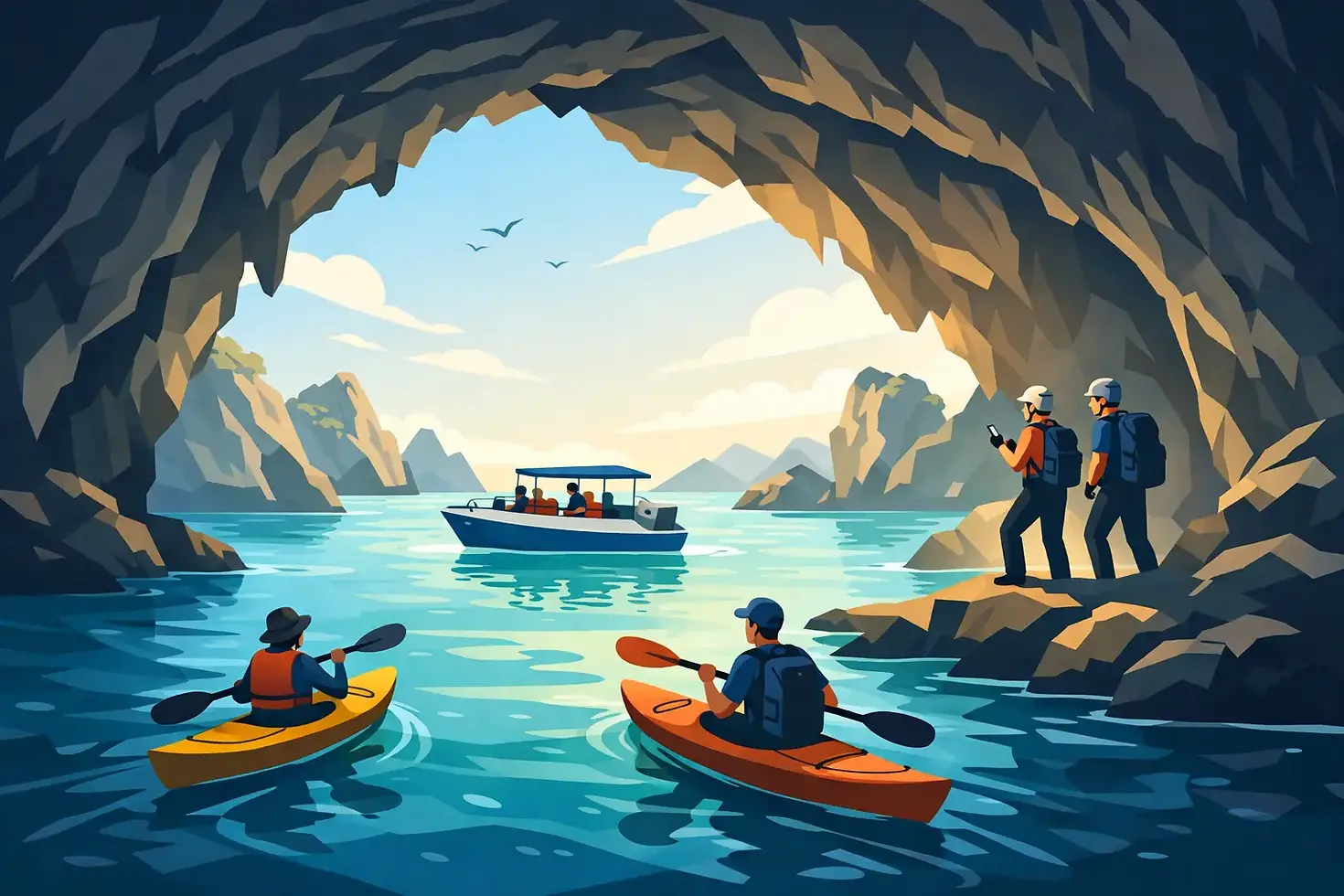
Sea Cave Exploration Tours Worth Booking

You can walk a cliff path and admire the coast from above, but that only tells half the story. Sea cave exploration tours put you at water level, where the coastline changes completely - arches feel bigger, swell sounds louder, and hidden inlets suddenly become places you can actually enter rather than just point at from shore.
That is exactly why these trips stand out among the most amazing water-based experiences. They are not just about getting from A to B. A good tour gives you access to parts of the coast that feel wild, close-up and surprisingly peaceful, while still being led with the kind of judgement and safety standards that let beginners relax and enjoy it.
Why sea cave exploration tours feel different
A lot of outdoor activities promise scenery. Sea cave exploration tours offer scenery with movement, texture and a real sense of discovery. The cliffs are not a backdrop. They are the route. Every turn can reveal a narrow rock channel, a calm pool tucked out of the wind, or a cave entrance that only makes sense once you are close enough to hear the water echo inside it.
That close contact with the coastline changes the experience. On a board, in the water, or alongside a guide boat, you notice details that disappear from land - the shape of the rock, the colour changes below the surface, the way light bounces off cave walls. For active adults, couples and small groups looking for unique things to do, that feels far more memorable than another standard sightseeing trip.
There is also a satisfying balance between adventure and accessibility. You do not need to be an elite athlete to enjoy a guided coastal trip. What matters more is choosing the right format and joining a provider that knows how to match route, conditions and group ability.
What to expect on sea cave exploration tours
Most people imagine a cave tour as one fixed activity, but it can take a few different forms. Some are snorkelling-based, where you swim into sheltered rock features and experience the coast face to face. Others happen by paddleboard or kayak, where the route includes caves, arches and narrow passages when conditions allow. Boat-supported options can work well too, especially for people who want the coastal access without a more physical session.
The best trips are shaped around the sea rather than forced onto it. That means the exact route may change on the day. Tide height, swell direction, wind and water clarity all affect what is possible. If a provider promises the exact same cave entry every time regardless of conditions, that is usually a red flag. Coastal guiding is about reading the environment properly, not sticking rigidly to a script.
You should also expect a proper briefing before getting on the water. Good guides explain equipment, entry and exit points, communication, and what to do if conditions feel different from what you expected. That practical grounding helps first-timers settle quickly, which often turns nervous energy into excitement within the first few minutes.
Choosing the right type of tour for you
Not every guest wants the same day out, and that is a good thing. If you love a more active session, a cave snorkelling or paddle-based trip usually offers the strongest feeling of immersion. You are not observing the coastline from a distance. You are moving through it.
If your priority is scenery with a lower physical demand, a supported boat or mixed-format experience may suit you better. Couples often enjoy tours that combine adventure with a slower pace, while groups celebrating a birthday, hen or stag weekend might want something social and energetic without it becoming overly technical.
Confidence in the water matters, but it is not the same as experience. Plenty of beginners can have a brilliant time on guided sea cave exploration tours if the session is pitched correctly. On the other hand, strong swimmers sometimes assume they can join any route, when in reality comfort in swell, cold water and uneven entries is a different skill set. The right operator will be honest about that rather than simply taking the booking.
Safety is part of the adventure, not separate from it
The most enjoyable cave tours feel exciting because they are well managed, not because they are reckless. Sea caves are dynamic environments. Swell can rebound off rock walls, exits can feel different on the return journey, and even a calm-looking section of coast can change quickly with weather or tide.
That is why guide quality matters so much. You want instructors and leaders who understand coastal movement, group management and water safety in real conditions. Strong providers also use quality kit suited to the activity, not generic gear handed out with minimal explanation.
For beginners, this is reassuring. For experienced guests, it is just as valuable. Better safety standards usually mean a smoother session, better route decisions and more time enjoying the environment instead of dealing with avoidable stress. Around the Causeway Coast, where dramatic rock features are part of what makes the region so special, local judgement is especially important.
The conditions can make or break the day
One of the biggest trade-offs with sea cave exploration tours is that the best locations are often weather-sensitive. That is not a downside of the activity. It is simply the reality of being in a moving marine environment.
On the right day, the water can be clear, the cave entrances calm and the whole route surprisingly gentle. On the wrong day, the same area may be unsuitable. Good operators will adapt, reschedule or choose an alternative location if needed. That flexibility protects the experience.
It also helps to arrive with the right mindset. If you want a sanitised attraction that runs identically in all conditions, this probably is not your activity. If you want a real outdoor experience shaped by the coast itself, that variability is part of the appeal. The sea decides a lot, and the best guides know how to work with that rather than fight it.
Why guided tours beat going alone
It can be tempting to look at a calm cove and think a cave is easy enough to visit independently. Sometimes the difficulty is not obvious until you are in it. Rock features can funnel swell, create awkward exits or appear much more committing from water level than they did from shore.
A guided trip removes a lot of that uncertainty. You benefit from route choice, local knowledge and continuous assessment throughout the session. You also get more from the experience because someone is actively helping you notice the coastline, understand the conditions and move with confidence.
That is a big reason curated coastal trips have such lasting appeal. They turn a place from somewhere beautiful to look at into somewhere you actually experience with purpose. For many guests, that is the difference between a nice day out and a story they keep telling afterwards.
Who gets the most out of sea cave exploration tours?
People who enjoy active sightseeing tend to love them. If sitting on a crowded bus tour sounds flat, but a full-on extreme sport sounds too much, this sits in a sweet spot. You get movement, scenery and a genuine sense of achievement without needing months of training.
They also work especially well for couples and small groups who want something more memorable than a meal or a standard excursion. Sharing a route through caves and along dramatic rock formations feels a bit special in a way that is hard to fake. It is adventurous, but still welcoming.
For travellers visiting Northern Ireland, this type of trip can offer a stronger connection to the coastline than many land-based attractions. And for locals, it is often a reminder that some of the best places to visit are the ones you thought you already knew - until you see them from the water.
If you are looking for a session that blends scenery, adrenaline and expert guidance, Freedive NI has built its reputation on exactly that kind of experience-led coastal adventure.
How to know a tour is worth booking
Look for clear information, realistic expectations and a provider that sounds as serious about safety as they are about the fun. You want operators who explain who the session is for, what conditions may affect it, and what support you will have on the day.
It is also worth paying attention to whether the experience sounds generic or genuinely place-led. The best sea cave exploration tours are shaped by the coastline itself. They do not read like a recycled activity listing. They feel specific, informed and confident.
If a tour offers that mix of access, scenery, guidance and good judgement, you are usually onto something special. The coast has a way of rewarding people who meet it properly - not in a rush, not from a distance, but with the right gear, the right guide and enough curiosity to go and see what waits around the next rock wall.
When you choose well, a sea cave tour is not just another thing to tick off on holiday. It becomes the moment the coastline stops being scenery and starts feeling alive.


Comments