
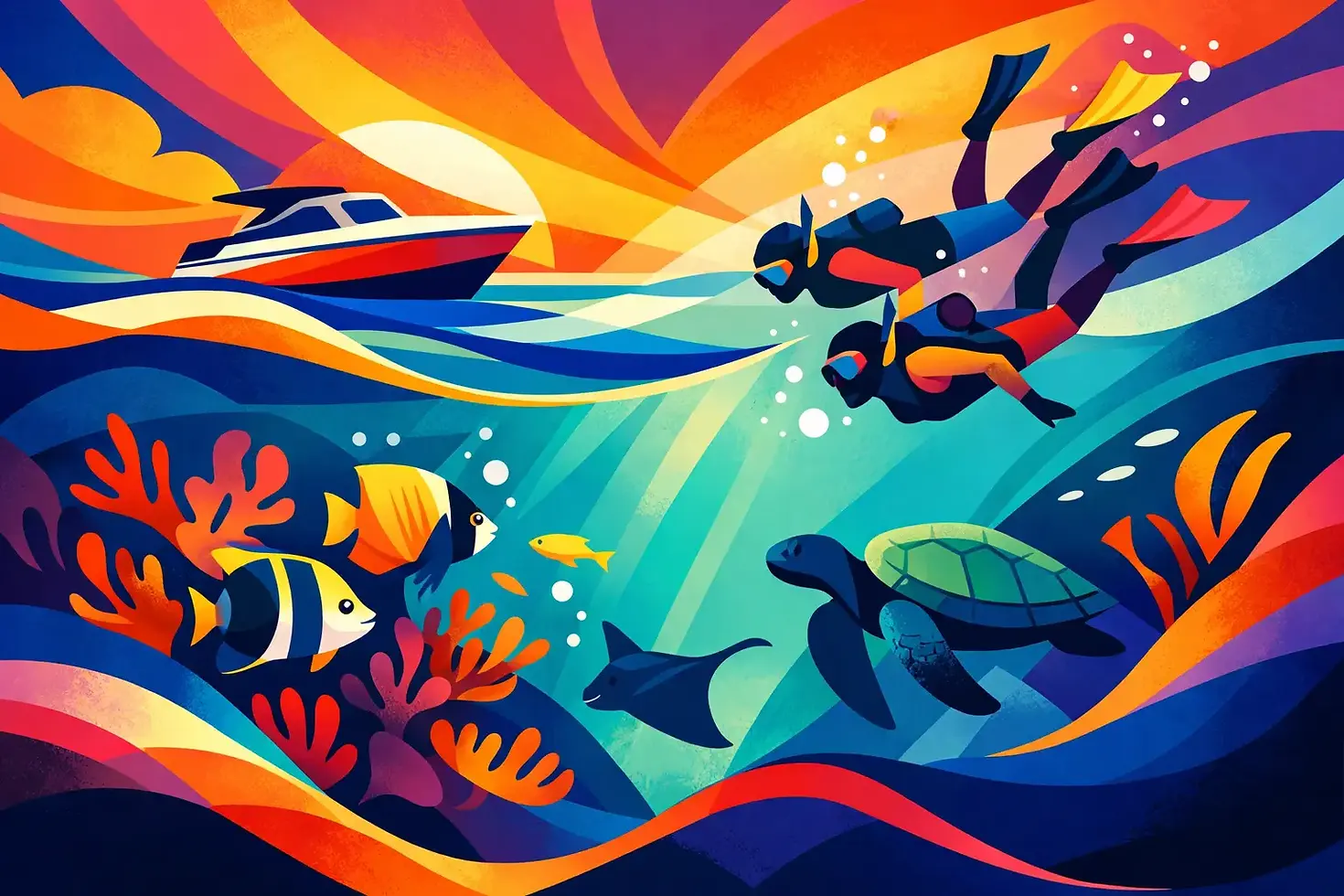
Boat Based Snorkel Excursions Worth Taking

Some of the best water experiences begin where the road ends. Boat based snorkel excursions take you beyond the busy beach, out to sea caves, sheltered coves and dramatic sections of coastline that are simply not practical to reach from shore. For first-timers, couples and confident sea swimmers alike, they offer a brilliant way to see the coast from a completely different perspective.
Why boat based snorkel excursions feel different
A shore snorkel can be fantastic, but it is shaped by what you can safely walk or swim to. A boat changes the possibilities. It can carry you around headlands, into quieter bays and towards rock formations where the water is often clearer and the scenery more dramatic.
On the Causeway Coast, that can mean looking up at towering cliffs from the water, drifting beside kelp-covered reefs or floating at the entrance to a cave system while your guide explains the conditions and route. The journey is part of the experience. There is a real sense of leaving the everyday behind as the harbour shrinks in the distance and the coastline opens up.
It is not about racing from one stop to the next. The best trips allow time to take in the landscape, settle into the water and enjoy the small details: shafts of light through the surface, swirling seaweed forests, shoals moving over the rocks and the quiet that arrives when you put your face beneath the water.
The places a boat can take you
A well-planned excursion uses the boat for access, not just transport. The skipper and water guides assess the wind, swell, tide and visibility before choosing the most suitable site on the day. That flexibility matters around an exposed coast, where conditions can feel entirely different just around the next headland.
Sea caves are a major draw. From the water, they can feel immense, sculpted over centuries by Atlantic swells. Snorkelling near or within them, where conditions and permissions allow, is a genuinely memorable experience. The rock walls can be rich with colour and texture, while the surface echoes create an atmosphere no swimming pool can replicate.
Sheltered coves bring another kind of magic. These can be ideal for relaxed exploration, especially when you are new to snorkelling. With a guide nearby, you can focus on getting comfortable with your mask and breathing while watching crabs, small fish, kelp and the ever-changing patterns of the seabed.
Reefy, rocky coastline is often where the underwater interest really builds. There may be gullies to peer into, vertical rock faces dropping away beneath you and marine life tucked between boulders. Wildlife is never guaranteed, and that is part of being in the sea rather than an aquarium. Still, a good guide knows how to help you look more carefully and enjoy what the conditions offer.
What to expect on the water
You do not need to be an experienced snorkeller to enjoy a guided boat trip, but you should be honest about your confidence in open water. Before departure, expect a clear briefing covering the plan, the equipment, entry and exit techniques, signals, and what to do if you feel cold, tired or unsure.
Quality kit makes a noticeable difference in Irish waters. A properly fitting wetsuit helps you stay warm enough to enjoy the experience, while a good mask, snorkel and fins make moving through the water far easier. Your guide should check that your mask seals well and that you understand how to clear it if a little water gets inside. Those simple details build confidence quickly.
The boat ride itself may be lively, especially on a breezy day. That is part of the adventure for many people, but it is worth considering if you are prone to seasickness. Have a light meal beforehand, stay hydrated and ask in advance whether there are practical ways to make the journey more comfortable.
Once at the site, the pace should feel controlled rather than rushed. You may enter from the boat in small groups, with instructors in the water to guide the route and support anyone who needs extra reassurance. A flotation aid can be a great option if you are a capable swimmer but would rather save energy for looking below the surface.
Safety is what makes the adventure possible
The most amazing water-based experiences are built on sound judgement. Sea conditions can change, and the right decision is not always the most dramatic-looking location. Sometimes a calmer cove will provide a better, more enjoyable snorkel than an exposed cave entrance with poor visibility or growing swell.
A professional operator should be willing to adapt, change the route or postpone an excursion when conditions do not support a safe trip. That is not a compromise in quality. It is exactly what good coastal guiding looks like.
Look for an experience led by people who know the local shoreline, understand tides and marine conditions, and can give practical in-water coaching. They should provide suitable equipment, maintain clear group management and have a plan for emergencies. For those new to the sea, the most reassuring guide is often the one who explains things plainly, checks in often and never makes you feel awkward for asking a question.
At Freedive NI, the aim is to combine that safety-led approach with the excitement of reaching remarkable coastal locations. You can arrive curious but inexperienced and leave with the confidence that comes from having been properly looked after in the water.
Is a boat snorkel trip right for you?
Boat excursions suit more people than many expect. They are an excellent choice for a couple looking for a memorable shared experience, visitors wanting one of the more unique things to do on the coast, or a small group celebrating something beyond the usual meal and drinks. They also work beautifully for people who have tried snorkelling abroad and want to discover how vibrant cold-water coastal life can be closer to home.
You do not need to be a freediver. You do not need to hold your breath for long periods or swim far beneath the surface. Snorkelling is about relaxed surface exploration, taking slow breaths and allowing the water to reveal what is below. If you choose to develop your water confidence further later, that is a bonus, not a requirement.
There are trade-offs. A shore-based session may be better if you are extremely nervous around boats, have limited mobility, or want the simplest possible introduction to mask-and-snorkel skills. A boat trip is also weather-dependent, so it helps to keep a little flexibility in your holiday plans. In return, you gain access to places that feel more remote, wild and special.
How to get the most from your excursion
Arrive ready to listen, rather than feeling you need to prove anything. The sea rewards calm, steady movement. Let your guide know if you have never used a snorkel before, if you are worried about getting water in your mask, or if you have had a bad experience in rough water. A good team can make small adjustments that transform how you feel.
Wear warm layers for before and after the session, and bring a towel and something dry to change into. Even on a bright day, the wind can catch you once you are out of the water. Avoid handling marine life or standing on reefs, and keep a respectful distance from any animals you encounter. The privilege of visiting these places comes with leaving them as undisturbed as possible.
Most of all, give yourself permission to slow down. You do not have to cover every metre of a cove or be the first person in the water. Float, breathe, look down, then look back to the cliffs around you. A boat snorkel excursion is one of those rare experiences where the journey, the coastline and the underwater world all deserve your full attention.
Choose a trip with experienced guidance, a sensible weather plan and a route designed for the conditions, then bring your curiosity. The coast has plenty to show you when you meet it from the water.


Comments